
Last updated August 27, 2026
Free in-home measure and quote - PGT, CGI and CWS impact lines compared on your actual openings, style by style
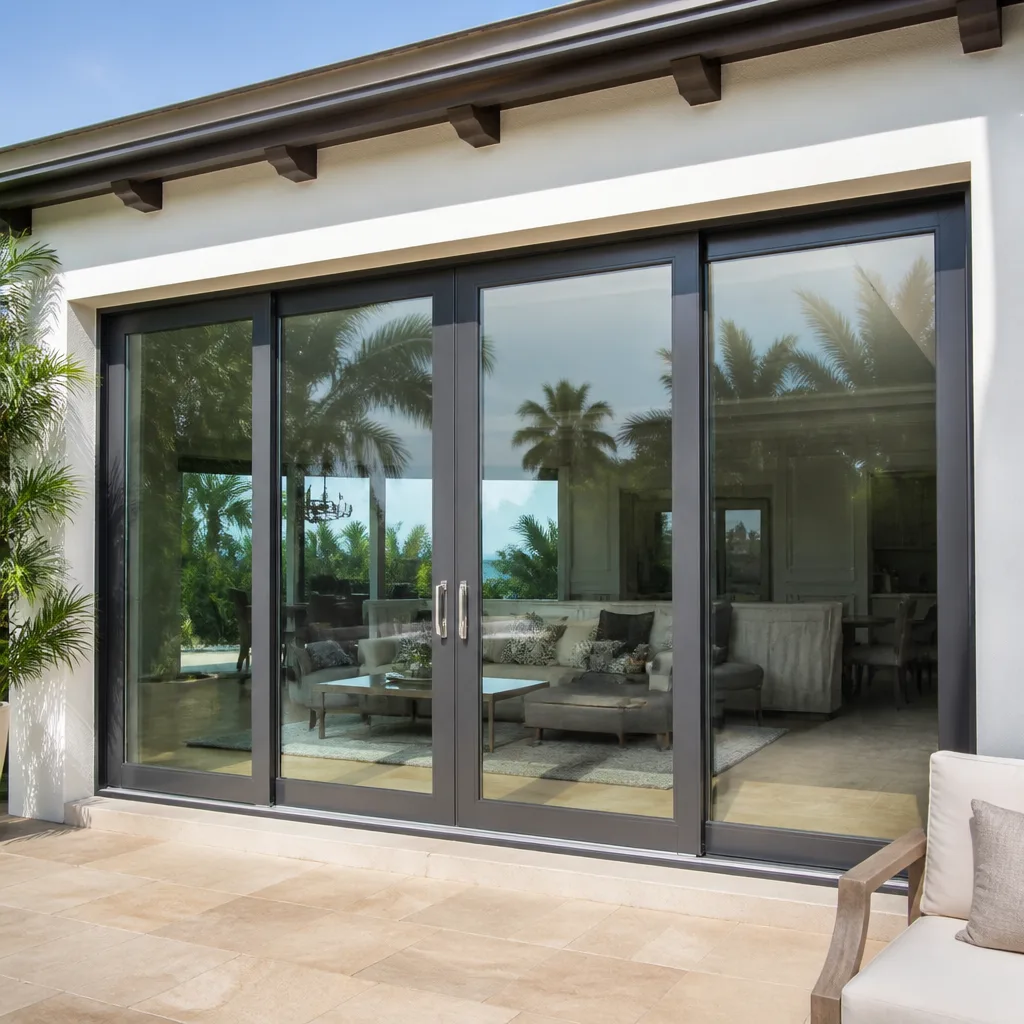

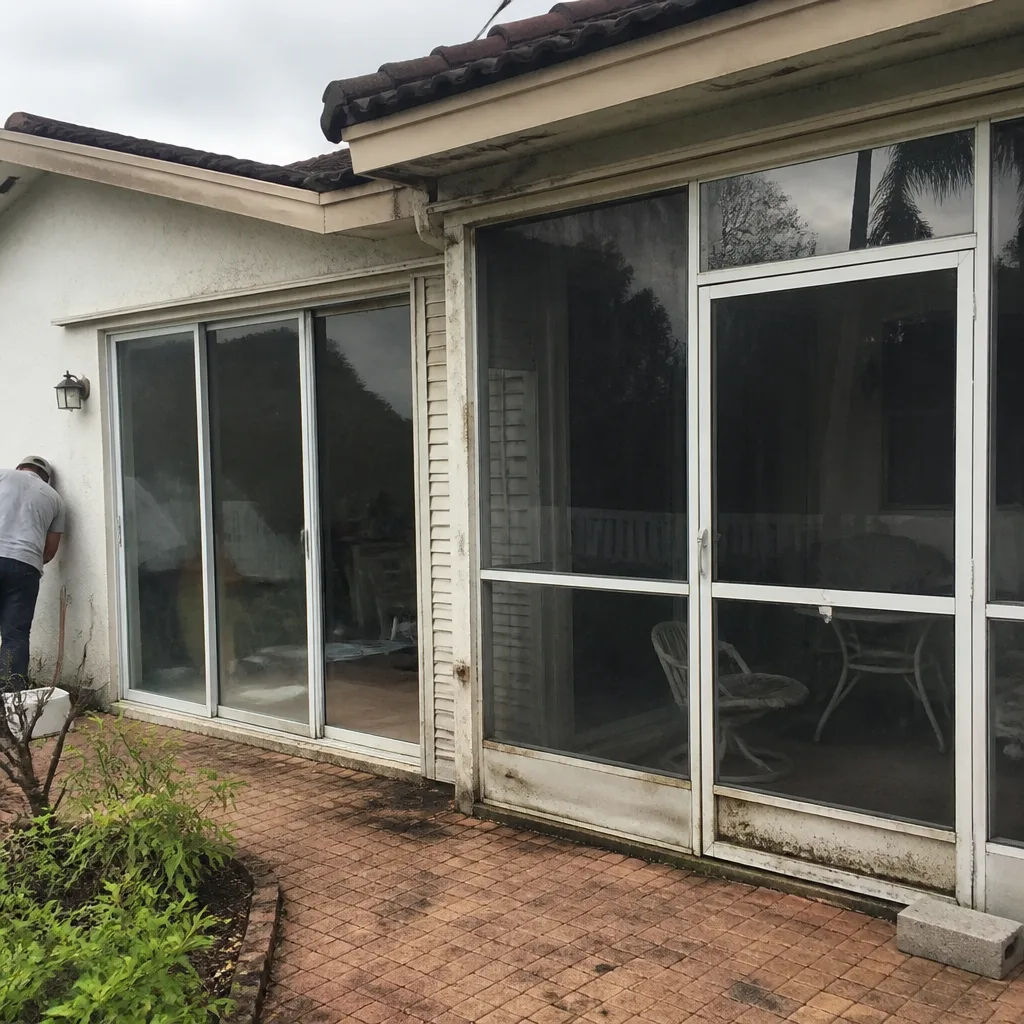 Before
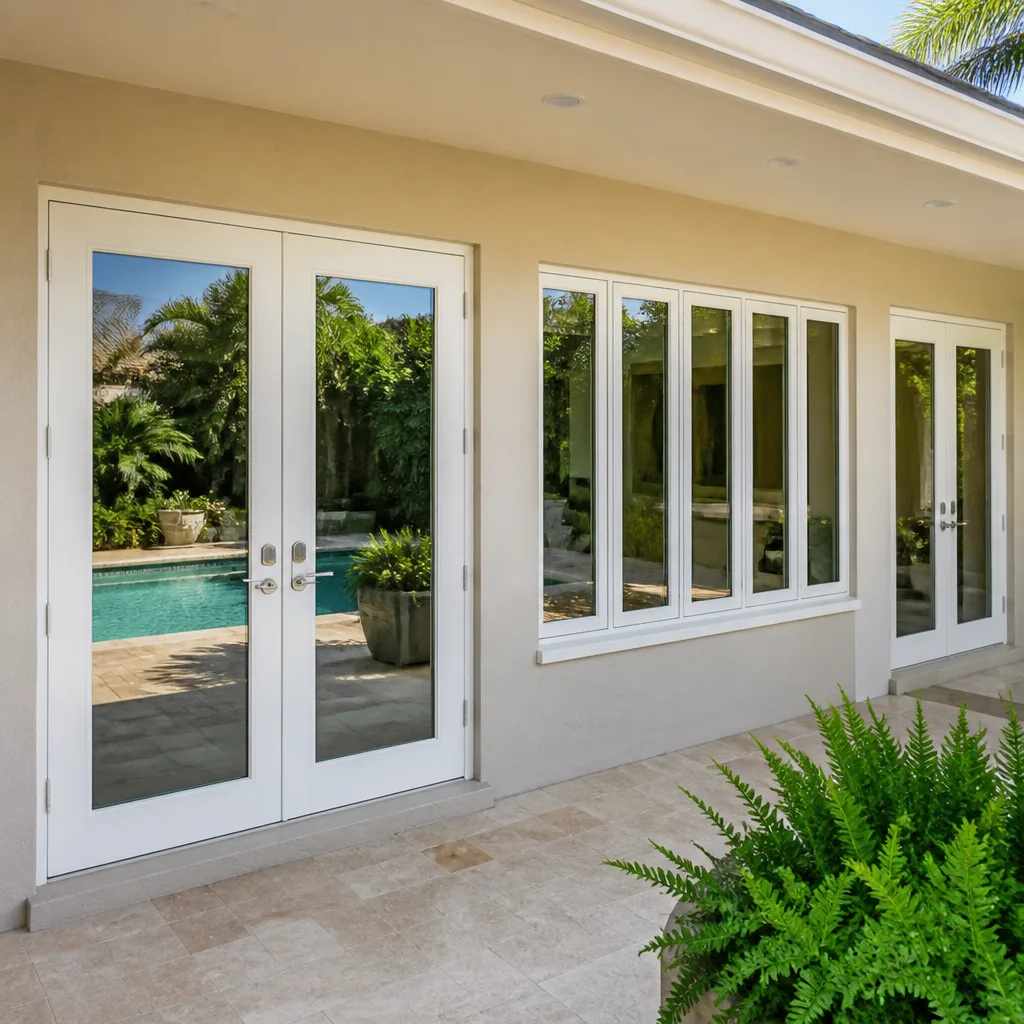 After
After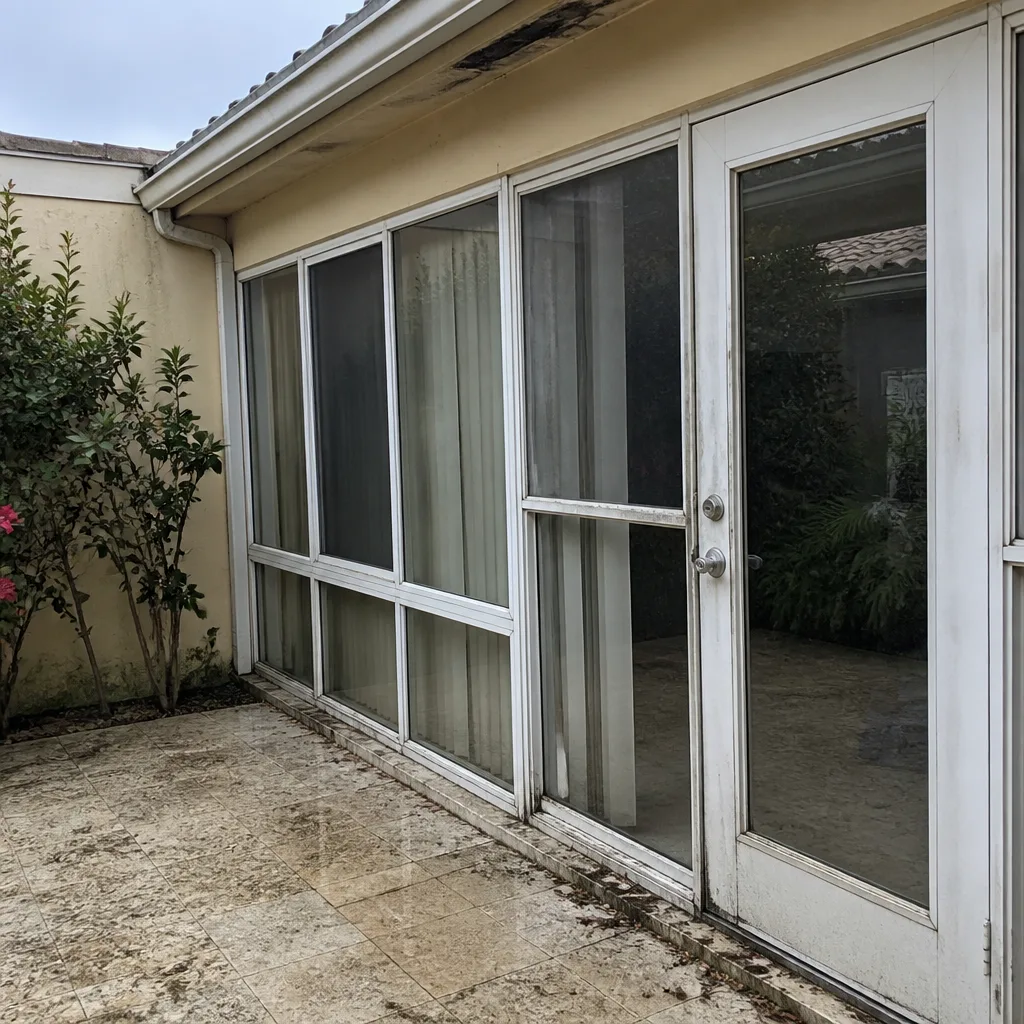 Before
 After
AfterWindows & Doors Permits, Codes & Inspections in FL: What You Need to Know
Here’s something most homeowners don’t learn until it’s too late: in Palm Beach County, a homeowner who sells their house with an unpermitted window replacement can be forced to remove and reinstall every unit at their own expense, even if a licensed contractor did the work and simply skipped the permit. The buyer’s title search flags it, the lender freezes the closing, and suddenly a $4,000 window job becomes a $15,000 legal and reconstruction nightmare. This guide walks you through what Florida’s permitting process actually requires, what inspectors check, and how to protect yourself whether you’re replacing one window in Boca Raton or every opening in your home. For a deeper look at planning your project, see our Complete Guide to Windows & Doors in Boca Raton.
Quick Answer
Most window and door replacements in Florida, including Boca Raton and all of Palm Beach County, require a building permit. The permit must be pulled before work begins, the products must meet Florida Building Code wind-load and impact standards (Chapter 16 in the High Velocity Hurricane Zone), and a final inspection must pass before the job is legally complete. Skipping any step can void your insurance coverage, stall a future home sale, and leave you legally exposed if a storm causes damage or injury.
Table of Contents
- What Actually Triggers a Window or Door Permit in Florida
- Like-for-Like Replacements: The “No Permit” Myth That Costs Homeowners Thousands
- The Florida Building Code and HVHZ Chapter 16: What Product Approvals Mean
- The Inspection Sequence: Rough-In, Final, and What the Inspector Actually Checks
- What Happens When an Unpermitted Job Meets a Hurricane Claim
- How to Search for Open or Expired Permits on a Property You’re Buying
- The Permitting Process Step by Step: What to Expect
- What Permits and Inspections Cost in Palm Beach County
What Actually Triggers a Window or Door Permit in Florida
Under Florida law, any work that alters the structural integrity, weather resistance, or life-safety performance of a building requires a permit. That covers almost every window and door job you’ll ever do. The Florida Building Code (FBC) is explicit: replacing a window, sliding glass door, exterior door, or garage door is a permitted activity subject to inspection, regardless of whether you’re changing the size of the opening or swapping in an identical unit. The trigger isn’t the size of the change. It’s the fact that the opening is part of your home’s building envelope, and anything that breaks that envelope affects wind resistance, water intrusion, and energy performance.
In Boca Raton and throughout Palm Beach County, the threshold is straightforward. If the product you’re installing is part of the exterior envelope, you need a permit. This includes entry doors, sliding glass patio doors, French doors, garage pedestrian doors, impact windows, non-impact windows with shutters, skylights, and even some interior doors if they serve as a required exit or fire-rated separation. The only routine exceptions are cosmetic repairs: replacing glass in an existing sash without removing the frame, reglazing, replacing hardware like locks and hinges, and repainting. Even then, if the glass in question is impact-rated and required for wind protection, you’ll want to confirm the repair doesn’t void the product’s Miami-Dade or Florida Product Approval.
Here’s what this means practically: if you call three window companies in Boca Raton and one says “we don’t pull permits on this one,” that’s not a favor. That’s a red flag. The other two companies are doing it right, and the first one is transferring legal and financial risk onto you. We’ve seen homeowners in Delray Beach, Boynton Beach, and across Palm Beach County learn this the hard way, usually at 9 p.m. on a Thursday when their insurance adjuster calls with bad news. If you’re unsure what warning signs to watch for, our Windows & Doors Warning Signs: A Boca Raton Homeowner’s Reference Guide covers the key red flags.
Like-for-Like Replacements: The “No Permit” Myth That Costs Homeowners Thousands
If there’s one piece of bad information circulating in Florida’s contractor community, it’s this: “If you’re replacing a window with the same size window in the same opening, you don’t need a permit.” Some contractors genuinely believe it. Others know better and use it to make their bids look cheaper. Either way, it’s wrong in Palm Beach County, and it’s wrong in Boca Raton.
The confusion comes from a real but narrow exception. The Florida Building Code allows certain minor repairs without a permit, like replacing a pane of glass or swapping a lock set. But a full window replacement, meaning the frame comes out and a new frame goes in, is not a minor repair. It’s a structural modification to your home’s exterior envelope. The opening is being re-flashed, re-sealed, re-anchored, and re-integrated with the wall system. That’s exactly the kind of work permits exist to inspect.
Why does this myth survive? Because it’s convenient. A contractor who skips the permit saves $150 to $400 in filing fees and avoids waiting for an inspector. The homeowner sees a lower upfront number and assumes they got a deal. What they actually got is a latent title defect on their property. Every home sale in Florida involves a municipal lien search and a permit history review. If the buyer’s title company finds a window replacement with no corresponding permit, it must be resolved before closing. Resolution usually means one of three outcomes: the homeowner pays to have the work inspected retroactively (which can involve cutting open walls to expose anchors and flashing), the homeowner pays to have the work removed and redone with permits, or the sale price drops to compensate the buyer for assuming the risk. None of these are good. Before you decide whether to tackle work yourself or hire a pro, read our DIY vs Professional Windows & Doors: The Boca Raton Homeowner’s Decision Guide.
Boca Raton’s building department, like most in Palm Beach County, maintains permanent digital permit records. They know when your house was built, what code cycle applied, and what permits have been pulled since. A window permit from 2019 that doesn’t match the windows currently in the wall is discoverable. It’s not a matter of if it comes up. It’s a matter of when, and usually when is the most expensive possible moment.
The Florida Building Code and HVHZ Chapter 16: What Product Approvals Mean
Florida has one of the most demanding building codes in the country, and for good reason. Hurricane Andrew in 1992 flattened entire neighborhoods and changed the way the state thinks about wind. Today, the Florida Building Code’s High Velocity Hurricane Zone (HVHZ) provisions, found in Chapter 16, govern Miami-Dade and Broward counties. Palm Beach County, including Boca Raton, sits just north of the HVHZ line but enforces wind-load requirements that are functionally similar for residential replacement work.
The key concept homeowners need to understand is product approval. Before any window, door, or skylight can legally be installed in a Florida home, the product must have either a Florida Product Approval (statewide) or a Miami-Dade Notice of Acceptance (NOA). These approvals certify that the product has been tested to withstand specified wind pressures, impact from wind-borne debris, and water infiltration. The approval number is printed on a label affixed to every unit, and that label is one of the primary things the inspector checks at final inspection.
This is where product choice matters more than most people realize. Not every window sold in Florida is approved for every application. A window that’s rated for a 130-mph wind zone may not be adequate for a coastal exposure in Boca Raton’s waterfront neighborhoods. The wrong product means a failed inspection, a delayed project, and sometimes a complete reorder. It also means your insurance company can deny a claim if they determine the installed product wasn’t suitable for the structure’s wind-load requirements.
We install impact-rated and wind-load-compliant products from manufacturers like CGI, CWS, and ES Windows, because these product lines carry the approvals and the documentation that Palm Beach County inspectors expect to see. The approval isn’t a formality. It’s the legal basis for the entire installation. If the product label doesn’t match the permit application, the inspector walks, and your job stops.
The Inspection Sequence: Rough-In, Final, and What the Inspector Actually Checks
Most window and door replacement projects in Boca Raton require two inspections: a rough-in (sometimes called a “pre-cover” inspection) and a final. Understanding what happens at each one removes the mystery and helps you spot contractors who try to rush past critical steps.
Rough-in inspection: This happens after the old window or door is removed and the new unit is set in the opening, but before the interior trim, exterior casing, or stucco repair covers up the installation details. The inspector is looking at the anchorage: the screws, clips, and fasteners that tie the window frame to the structural wall. They’re checking the flashing: how the rough opening is sealed against water intrusion at the sill, jambs, and head. They’re verifying that the product label matches the permit application and that the shims are placed correctly. If the rough framing is rotted or the hurricane straps are missing, this is the moment it gets caught. Once the inspector signs off, the contractor can close everything up.
Final inspection: This happens after the job is complete: trim installed, caulk applied, exterior finish restored. The inspector verifies the installation is watertight, the window or door operates correctly, the required egress is maintained (for bedrooms, this means the clear opening meets rescue-access minimums), and no code violations were introduced during the finish work. They’ll also confirm the product labels are still visible or were properly documented before being covered. For impact windows, the inspector checks that the glass and frame meet the required design pressure rating for that specific location on the house.
The entire sequence usually takes one to two weeks for a whole-home replacement, with rough-in inspections happening in batches as openings become ready. Small jobs can go from permit to final in as little as three to five days. The variable is the municipality’s inspection scheduling, which in Palm Beach County can fluctuate with construction season. From our experience in Boca Raton, spring and fall tend to move fastest.
What Happens When an Unpermitted Job Meets a Hurricane Claim
There’s a sequence of events we hear about every storm season, and it follows the same pattern. Homeowner replaces windows without a permit. Storm hits. A window fails, or water enters around a door, or a neighbor’s tree limb punctures a sliding glass panel. Homeowner files an insurance claim. Adjuster opens the file, checks the permit history, and finds nothing. Claim denied.
This isn’t hypothetical. Florida insurance companies have become aggressive about post-loss underwriting. If they can establish that the damaged component was installed without required permits or failed to meet applicable code at the time of installation, they can and do deny coverage for the entire claim, not just the component. The homeowner’s argument, “My contractor said it didn’t need a permit,” carries no legal weight. Under Florida law, the homeowner is ultimately responsible for ensuring permits are pulled on their property. Contractors can be cited, fined, and have their licenses revoked, but the financial exposure for an unpermitted installation falls on the property owner.
There’s a second layer to this. Florida’s “25 Percent Rule” for existing buildings requires that when repairs or alterations to a structure exceed 25% of the building’s value over a certain window of time, additional code upgrades may be triggered. Unpermitted work clouds that calculation and can drag a simple insurance repair into a full code-compliance review. The permitting paper trail isn’t bureaucracy for its own sake. It’s the documentation your insurance company uses to determine whether you complied with your policy’s stated conditions. No permit means no proof. No proof means no coverage when you need it most.
How to Search for Open or Expired Permits on a Property You’re Buying
If you’re buying a home in Boca Raton, a permit search should be part of your due diligence, not something you discover at the closing table. The good news is that Palm Beach County’s permit records are public and searchable online. The bad news is that most buyers never think to look until there’s a problem.
Here’s the process:
- Identify the jurisdiction. Boca Raton properties fall under the City of Boca Raton Building Department for permitting, while unincorporated Palm Beach County properties fall under the county. The jurisdiction matters because each maintains its own database.
- Run the address. Both the city and county offer online permit search portals. Enter the street address and pull up every permit associated with the property, open or closed, going back as far as records allow.
- Cross-reference the windows and doors. Compare the permit history against what you see at the property. If the house was built in 2005 but the windows are clearly newer and there’s no window permit, that’s a finding. If there’s a roof permit from 2018 that’s still marked “open” or “expired-in-progress,” that’s a finding too.
- Check for expired permits. An “open” permit that’s been sitting for years is a problem even if the work was finished. The permit needs a final inspection to be closed. Unclosed permits create title issues and can prevent the buyer’s lender from funding.
- Verify the contractor. For any permits you find, confirm the contractor’s license was active at the time the work was done. Florida’s Department of Business and Professional Regulation maintains license records online.
- Ask the seller to resolve issues before closing. If you find unpermitted work or open permits, the cleanest solution is for the seller to pull the necessary permits, schedule inspections, and close everything out before you take title. Your real estate agent and title company should handle this negotiation, but you’re the one who asked for the search in the first place.
A permit search is not something to skip because closing is already scheduled. It’s something to do the week your offer is accepted. In a strong market, sellers sometimes refuse to remediate. In that case, you need to decide whether you’re willing to assume the risk, and your insurance agent should be part of that conversation.
The Permitting Process Step by Step: What to Expect
Here’s how a properly permitted window or door replacement works in Boca Raton, from the homeowner’s perspective. If your contractor is doing the job correctly, this is the sequence you’ll experience.
- Measure and product selection. The contractor measures every opening, confirms the wind-load requirements for your specific location, and helps you select products that carry the necessary Florida Product Approval or Miami-Dade NOA. This is when you’ll hear terms like “design pressure rating” and “impact-rated” used correctly, not as marketing language.
- Permit application. The contractor prepares and submits the permit application, including product approval documents, shop drawings for any non-standard openings, and the contractor’s license and insurance information. In Boca Raton, the application is filed with the city’s building department. Fees are typically paid at this stage.
- Plan review. The building department reviews the application for code compliance. For standard like-for-like replacements, this often takes a few days to two weeks. For projects that involve enlarging openings, adding new openings, or changing structural elements, the review takes longer and may require sealed engineering drawings.
- Permit issuance. Once approved, the permit is issued and posted at the job site. This is the point of no return: the scope of work is now documented with the city, and any deviation will require an amendment to the permit.
- Demolition and rough-in. Old units come out, new units go in, anchors and flashing are installed, and the rough-in inspection is scheduled. The inspector visits the site, checks the work, and either passes the rough-in or issues a correction notice.
- Finish work and final inspection. Interior and exterior trim are completed, the site is cleaned, and the final inspection is scheduled. The inspector verifies operation, watertightness, egress, and product labeling. On a pass, the permit is closed and the signed final is recorded.
- Documentation. You receive the evidence you’ll need later: a copy of the permit, the inspection records, and the product approval information for every unit installed. Keep this file. It’s what your insurance company will ask for, and it’s what your buyer’s title search will look for.
What Permits and Inspections Cost in Palm Beach County
Permit costs vary by municipality and project scope, but they’re a small fraction of the overall window and door budget. In Boca Raton and most of Palm Beach County, a residential window or door replacement permit typically runs between $150 and $450, depending on the number of openings and the value of the work. Some municipalities calculate fees as a flat rate per opening; others use a percentage of the project valuation. Inspection fees are usually included in the permit fee, though re-inspections after a failed inspection carry an additional charge, commonly $75 to $150.
Here’s a realistic breakdown for a single-family home replacing, say, eight windows and one sliding glass door in Boca Raton:
- Permit application and issuance: $200 to $400
- Plan review (if required): $50 to $150
- Re-inspection fees (if needed): $75 to $150 per visit
- Total permitting cost: roughly $250 to $550, or about 3% to 5% of a typical whole-home window project
Compare that to the cost of an unpermitted job discovered at sale: reopening walls to expose anchors, paying retroactive permit fees, paying penalties and late fees, re-installing rejected products that failed the retroactive inspection, and absorbing the buyer’s price concession for the delay. That math almost always lands in the five figures. The permit isn’t the expensive part. Skipping it is.
Common Mistakes to Avoid
- Believing the “like-for-like means no permit” line. In Palm Beach County, replacing a window or exterior door is a permit-required activity even when the new unit is the same size as the old one. If your contractor says otherwise, ask them to put it in writing and show you the code reference. They won’t be able to.
- Paying in full before the final inspection passes. A contractor who demands full payment before the final inspection is creating pressure to close the file. Final payment should be tied to a passed final inspection and a closed permit.
- Buying windows online and hiring a handyman to install them. Florida law requires licensed contractors for window and door installation that penetrates the building envelope. An unlicensed installer can’t pull a permit, which means your project automatically becomes an unpermitted project.
- Ignoring the product approval label. Every compliant window and door in Florida carries a label with its Florida Product Approval or Miami-Dade NOA number. If the label is missing, illegible, or doesn’t match the permit application, the inspector will fail the job. Don’t let anyone install units without visible approvals.
- Assuming your insurance will cover it anyway. Florida insurers routinely deny claims involving unpermitted work. Your policy requires you to maintain the home in a code-compliant condition. An unpermitted window installation is a policy condition violation, and the denial will stand up if challenged.
- Skipping the permit search when buying a home. The buyer’s title company may or may not catch unpermitted work. If they do, it’s late in the process and expensive. If they don’t, you’ve inherited the problem and it’s yours to fix.
- Letting the permit expire. Permits have time limits. If the work stops for too long or the inspection is never scheduled, the permit expires and the city considers the project abandoned. Reactivating an expired permit means new fees, new inspections, and sometimes a requirement to bring the work up to current code.
When to Call a Professional
Window and door permitting in Florida is not a DIY enthusiast’s game. The code is complex, the product approvals are dense, and the consequences of getting it wrong fall squarely on the property owner. If you’re planning a window or door replacement in Boca Raton or anywhere in Palm Beach County, work with a licensed contractor who pulls permits as standard procedure, knows what the local inspectors look for, and installs products carrying valid Florida Product Approvals. If you’re buying a home and found unpermitted work, don’t negotiate with the seller alone. Bring in a professional who can assess the scope of what needs to be corrected and give you a real cost to remediate. Winslow Windows & Doors offers free estimates in Boca Raton and can walk you through the permitting and inspection process on any window or door project - call (561) 816-5648 to talk it through.
Frequently Asked Questions
Yes. Replacing a window, sliding glass door, exterior door, or garage door in Boca Raton requires a building permit from the City of Boca Raton, even when the new unit is the same size as the old one. The permit must be pulled before work begins and a final inspection must pass before the job is legally complete.
Expect to pay between $150 and $450 for a residential window or door replacement permit in Boca Raton and most of Palm Beach County, with larger projects at the higher end. Inspection fees are generally included, but re-inspections after a failed check usually run $75 to $150 per visit. Call (561) 816-5648 for a project-specific breakdown - our estimates are free.
The High Velocity Hurricane Zone (HVHZ) is the most stringent wind-load standard in the Florida Building Code, codified in Chapter 16, and technically applies to Miami-Dade and Broward counties. Boca Raton is in Palm Beach County, just north of the HVHZ line, but the city enforces wind-load and product-approval requirements that are functionally equivalent for residential window and door work. Products installed here still need valid Florida Product Approval or Miami-Dade NOA documentation.
The buyer’s title search and the lender’s permit review will likely catch unpermitted window work during a sale, and you may be forced to remediate at your own expense before closing. That remediation can mean retroactive inspections, partial demolition to expose installation details, or full removal and reinstallation with permits. In Palm Beach County, this has become a standard closing contingency, not a rare occurrence.
Your insurance company can deny a claim related to the unpermitted installation, including wind damage, water intrusion, and sometimes the entire claim if the unpermitted work is determined to have compromised the structure’s code compliance. Post-loss underwriting means the permit history is checked after you file a claim, not at the time you buy the policy.
For a standard like-for-like replacement in Boca Raton, plan on one to two weeks from permit application to final inspection, depending on the city’s plan review backlog and inspection schedule. Whole-home projects with multiple openings often run three to five weeks including rough-in and final inspections. Larger projects that involve opening sizes or structural changes take longer because they require engineering review.
The Bottom Line
Florida’s window and door permitting process exists because the stakes are real: your insurance coverage, your home’s resale value, and your family’s safety in a hurricane all depend on installations that meet the Florida Building Code. Boca Raton homeowners face a stricter standard than most of the country, but the process is manageable when you work with a licensed contractor who treats permitting as standard procedure. Get the permit, pass the inspection, keep the paperwork. It’s the same discipline we’ve applied on every job since we opened our doors in 2011. If you’re replacing windows or doors in the Boca Raton area, call (561) 816-5648 to schedule a free estimate. We’ll walk you through the permit requirements for your specific project before you spend a dollar. For more on how we approach window work in South Florida, visit our Winslow Windows & Doors home page, or see our Impact Windows in Boca Raton, Window Installation in Boca Raton, and Window Replacement in Boca Raton service pages for project-specific details.
Written by Ed Winslow, Owner at Winslow Windows & Doors, serving Boca Raton since 2011. Explore more guides & resources for Florida homeowners.
Six Reasons Homeowners Choose Winslow Windows & Doors
Impact systems engineered to design pressures up to +/-100, matched to your wind zone - your openings hold when the storm arrives.
Low-E insulated impact glass from our manufacturer lines commonly cuts monthly cooling bills 20-30%.
Laminated impact glass shuts out up to 40% of outside noise - traffic, neighbors, weather.
Monitoring services run $30-90 a month. Laminated impact glass resists forced entry around the clock, with no subscription.
Florida homeowners average around 25% savings on the windstorm portion of their policy after protecting every opening - some homes qualify for more.
A full impact package upgrades curb appeal, buyer confidence and appraised value in one project.