
Last updated August 27, 2026
Free in-home measure and quote - PGT, CGI and CWS impact lines compared on your actual openings, style by style
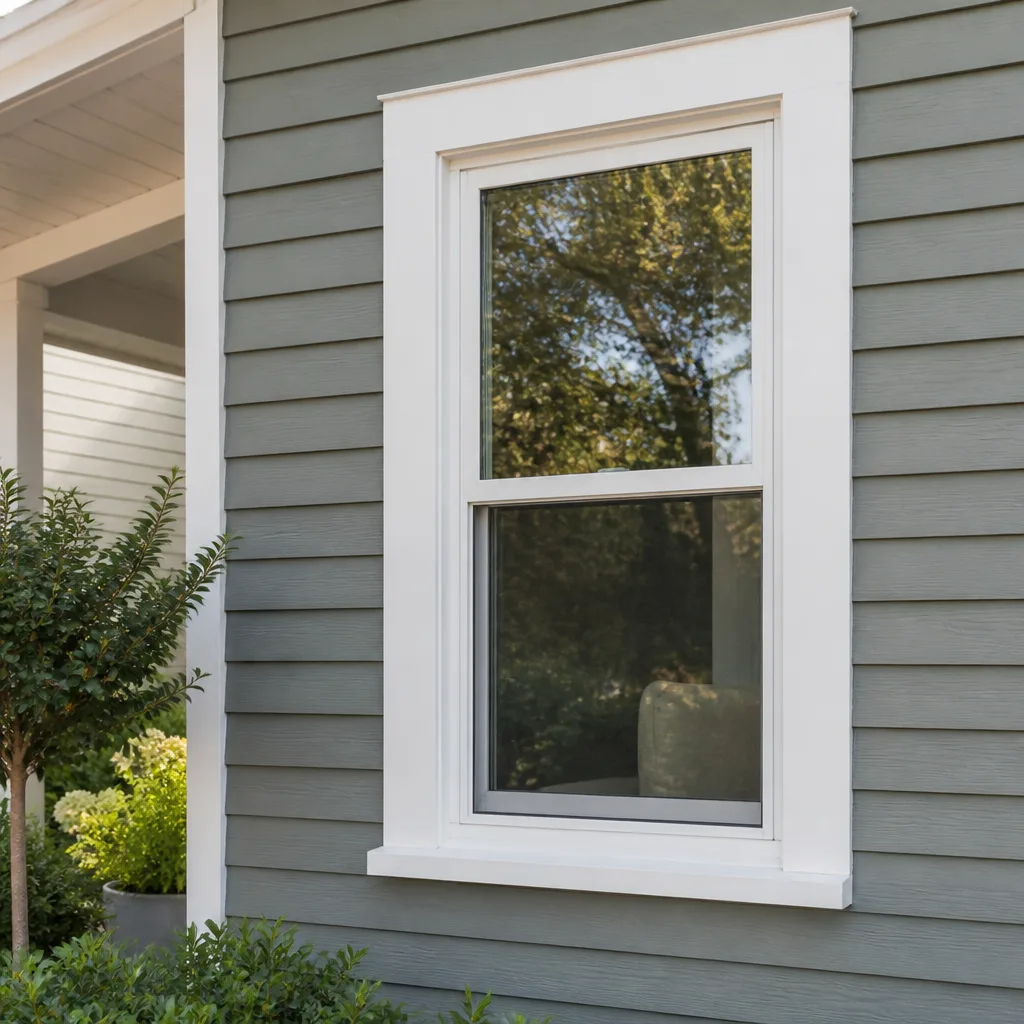
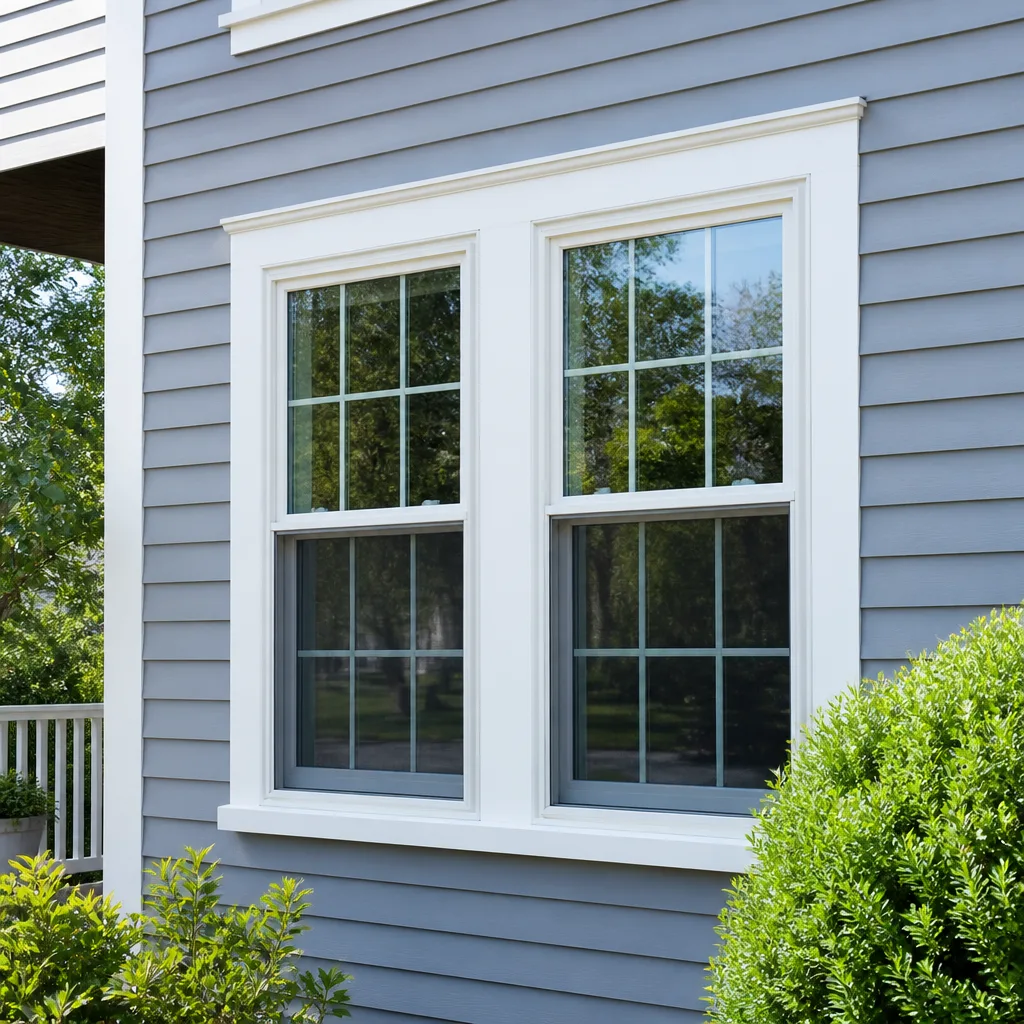
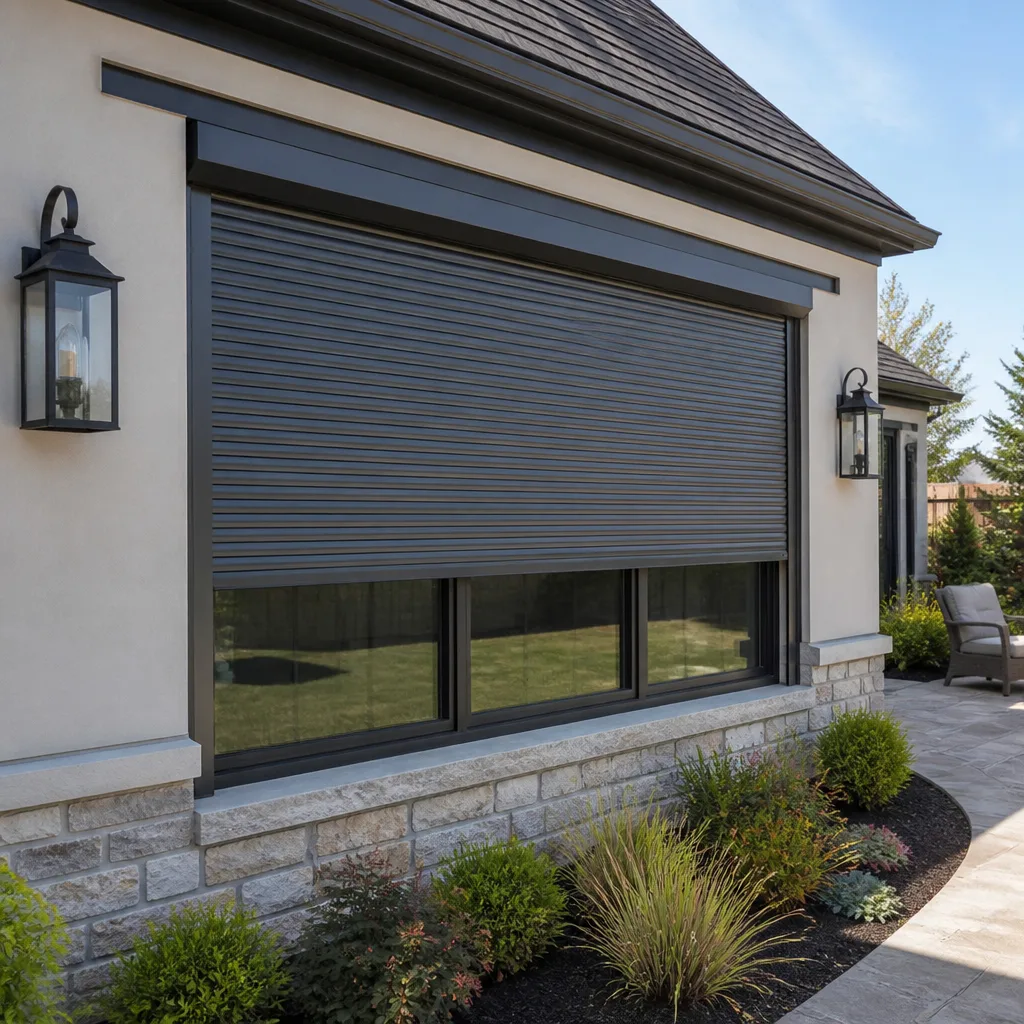
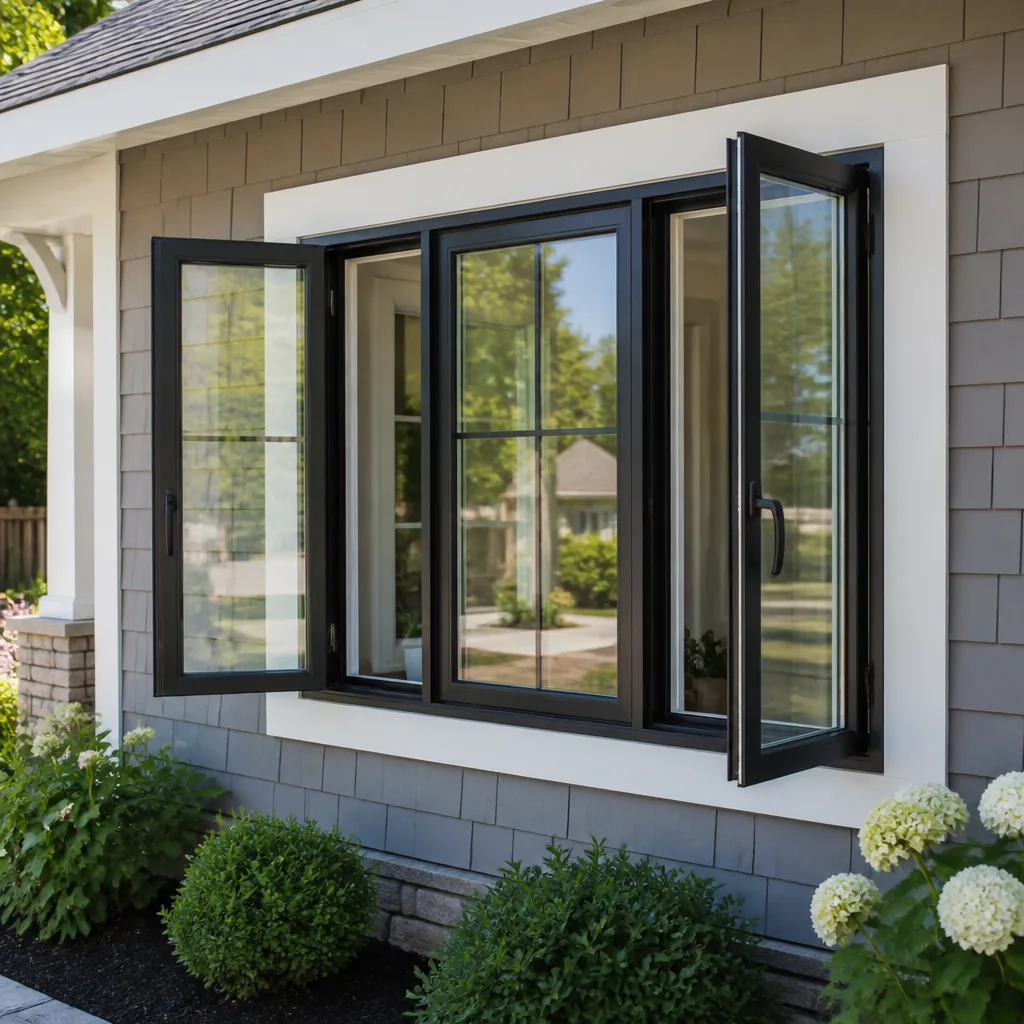
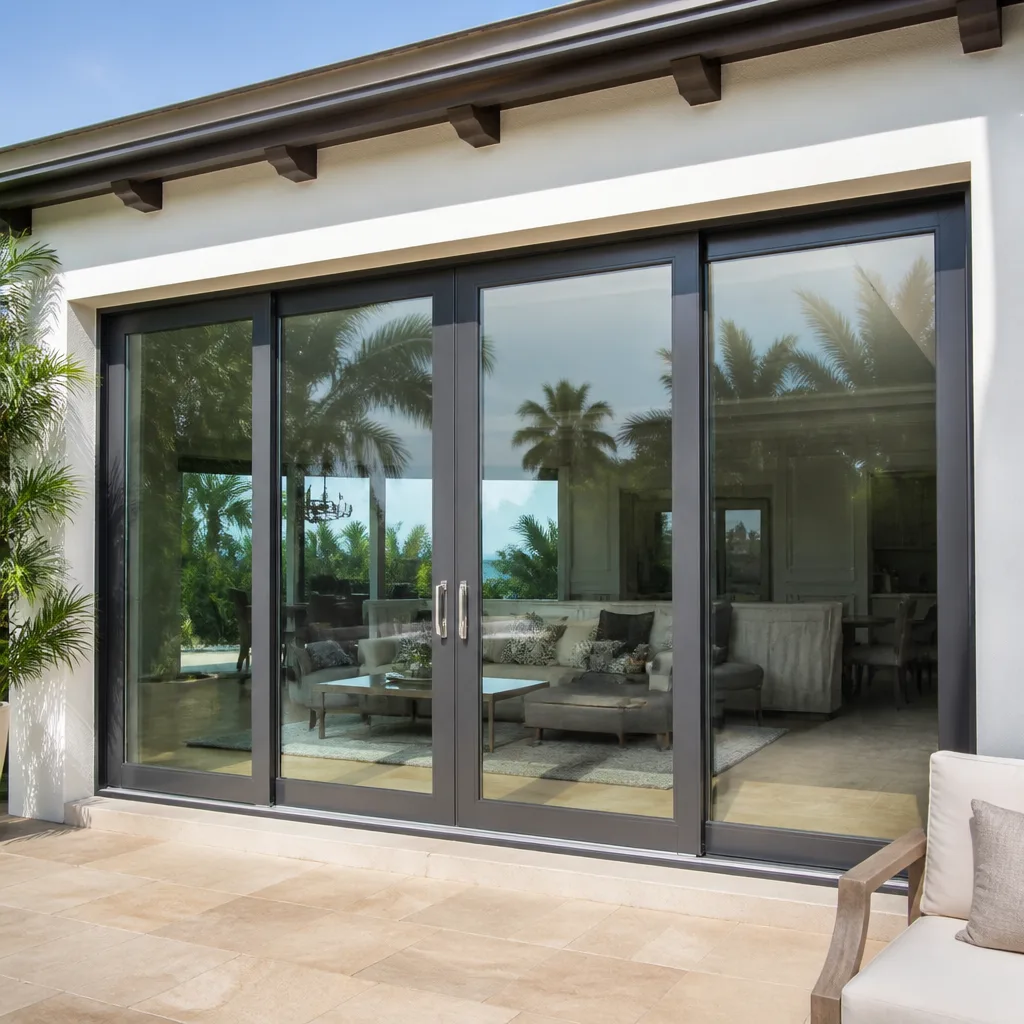

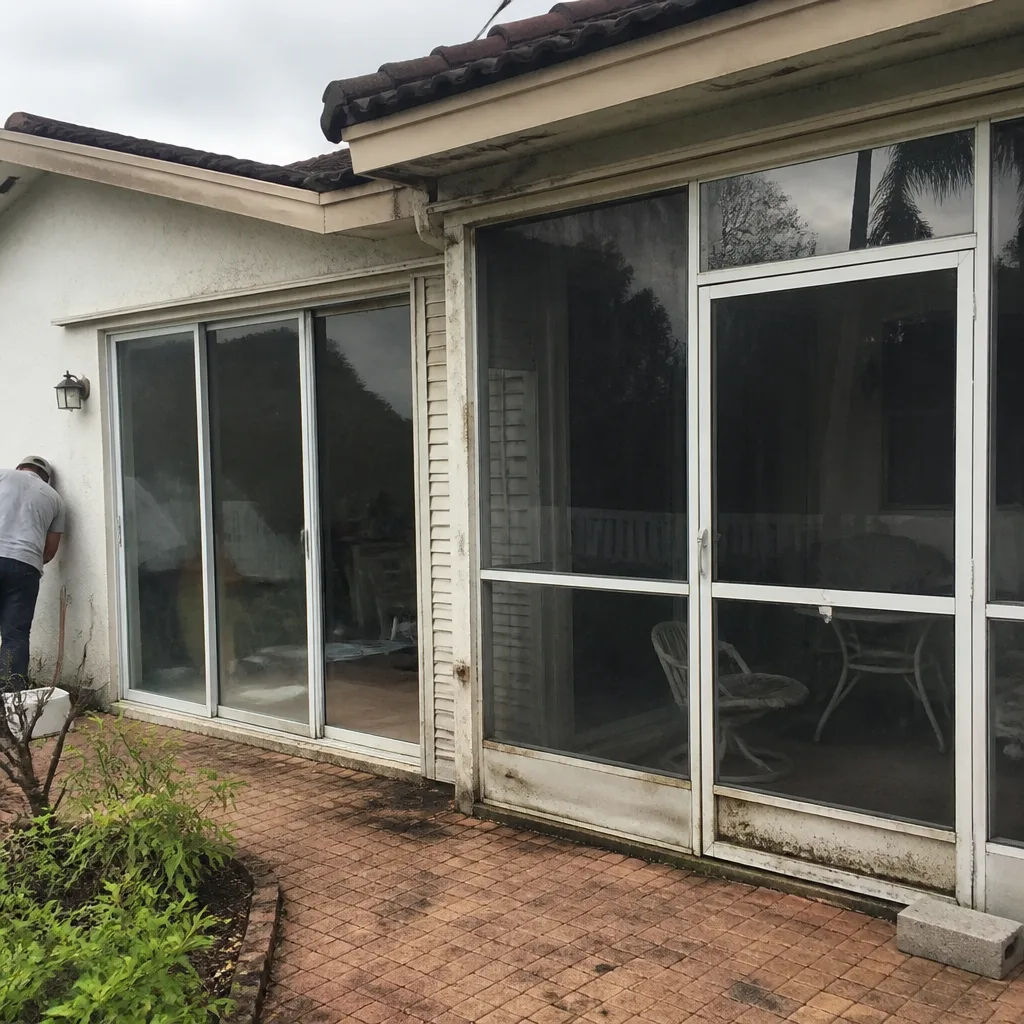 Before
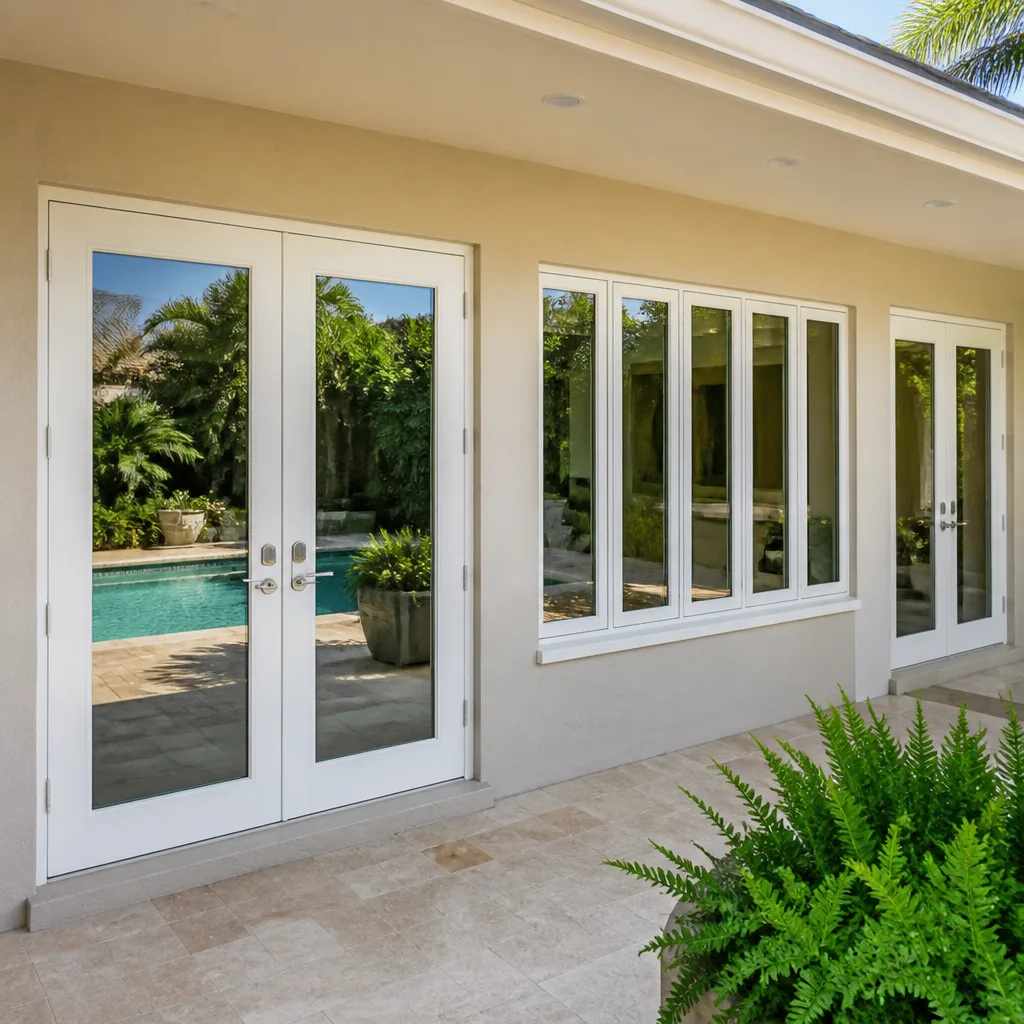 After
After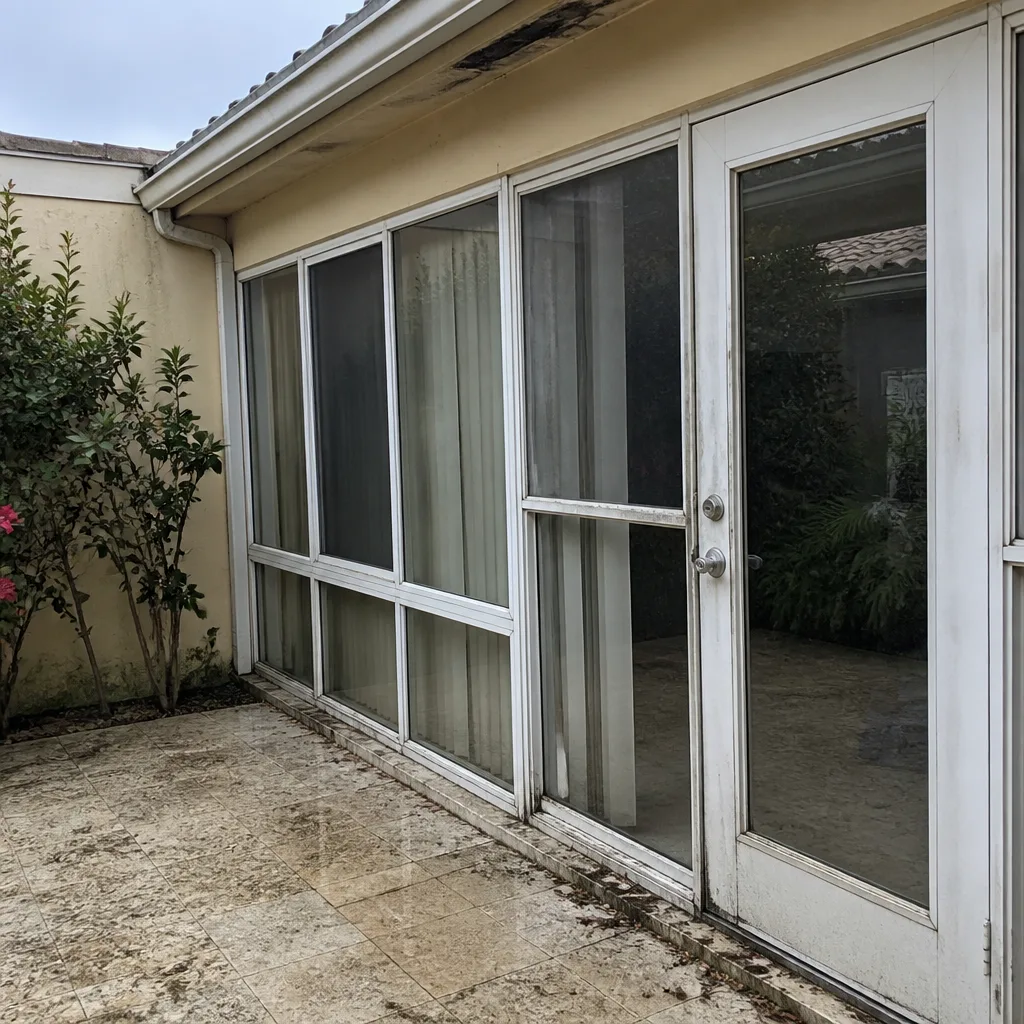 Before
 After
AfterWindows & Doors Warning Signs: A Boca Raton Homeowner’s Reference Guide
A draft near your impact window isn’t evidence that the glass failed. It’s usually a sign that the perimeter sealant between the frame and the rough opening has broken down, a separate failure mode that can let moisture into your wall long before you feel any air movement. Most national guides never mention this because they’re written for Ohio basements and Arizona stucco, not for Boca Raton’s specific combination of salt air, 80% humidity, and impact-rated construction. For a deeper dive into local considerations, see The Complete Guide to Windows & Doors in Boca Raton. This guide decodes what you’re actually looking at when something seems off, organized by what you see, what it means, and how urgent it really is. By the time you finish, you’ll know which warning signs demand a call this week and which ones you can safely watch for another season.
Quick Answer
The most common window and door warning signs in Boca Raton are perimeter sealant failure (drafts, water staining, or daylight visible around the frame edge), between-pane fogging on insulated glass units, white oxidation or pitting on aluminum frames, and sticking or sagging doors caused by humidity-driven frame movement. Most of these conditions are repairable without full replacement if caught within the first 12 to 24 months, but waiting until a storm reveals the failure can turn a $200 seal repair into a $2,000 frame replacement. No two failures look identical on impact-rated systems, and identifying the exact layer that failed (glass, frame, sealant, or interlayer) is the difference between a repair and a replacement. If you’re weighing whether to tackle issues yourself or call a pro, our DIY vs Professional Windows & Doors: The Boca Raton Homeowner’s Decision Guide can help you decide.
Table of Contents
- Condensation vs. Between-Pane Fog: What You’re Actually Seeing
- Salt-Corrosion Warning Signs on Aluminum Frames
- Door-Specific Warning Signs in a Humid Climate
- Early Sealant Failure at the Frame Perimeter: Reading Water Stains From Inside
- When the Impact Interlayer Is Compromised: Signs Before the Storm Tests It
- Energy Warning Signs: What Your Power Bill Is Telling You
- Common Mistakes to Avoid
- When to Call a Professional
- Frequently Asked Questions
- The Bottom Line
Condensation vs. Between-Pane Fog: What You’re Actually Seeing
Boca Raton homeowners call us about “foggy windows” at least once a week, and more than half the time, what they’re describing isn’t fog at all. The distinction matters because one condition costs nothing to fix and the other means one component of your window has failed permanently. Understanding the difference saves you from replacing glass that was never broken.
Surface condensation appears on the room-side or exterior face of the glass and wipes away with your finger. It happens when warm, humid indoor air meets a cool glass surface, or when overnight humidity settles on the exterior pane. In Boca Raton, you’ll see exterior surface condensation on summer mornings after a cool night, especially on east-facing windows. It looks like a uniform sheet of moisture or small droplets, usually across the entire pane. This is normal. It’s actually a sign your low-E coating is doing its job of keeping the glass cooler than the surrounding air.
Between-pane fog appears inside the sealed air space of an insulated glass unit (IGU), between the outer and inner panes. It looks like a permanent haze or cloudiness you cannot reach from either side. Wipe all you want. The fog stays. This is the visual signature of a failed IGU seal. The desiccant inside the spacer bar (the material that absorbs moisture between panes) has become saturated, and the unit can no longer pull humidity out of the cavity. In impact systems like the CGI or CWS units we install regularly in Boca Raton neighborhoods like Boca West, The Oaks, and Broken Sound, an IGU seal failure doesn’t automatically compromise the impact rating. The laminated interlayer is a separate component, held in place independently. What you lose with a failed IGU seal is insulation value, clarity, and eventually, with enough moisture cycling, you can get mineral staining on the interior glass surface that becomes permanent.
How to tell which one you have:
- Wipe it. If moisture is on a surface you can touch, it’s condensation. If it’s behind the glass, it’s an IGU failure.
- Check the pattern. Surface condensation is uniform. Between-pane fog often starts as a patch near one corner or edge, then spreads over months.
- Watch the timing. Surface condensation comes and goes with temperature swings. Between-pane fog is there in the morning, at noon, and at midnight.
- Look for residue. Once between-pane fog has been cycling for a while, you’ll start seeing a white or gray mineral film on the inside surfaces of both panes, visible only because it’s trapped behind the glass.
If you’re seeing between-pane fog on one or two windows, it’s worth getting a written estimate for either IGU replacement or full-sash replacement before the cosmetic staining becomes irreversible. If you’re seeing it on five or more windows, you’re getting into replacement territory, and that’s a different conversation. Either way, this is a good time to call a local shop for an honest second opinion. We offer free second opinions on any written estimate, no strings.
Salt-Corrosion Warning Signs on Aluminum Frames
Aluminum is the most common frame material on impact windows in Boca Raton for a good reason: it holds its shape through hurricane cycles and it resists the flex that can break sealant beads on vinyl frames. But aluminum has one enemy in South Florida, and it’s the same thing that rusts your beach chairs. Salt. Every east wind off the Atlantic carries microscopic salt particles that settle on exposed metal, and over years, they start working on your frames.
The first stage is white oxidation. It looks like a chalky, powdery film on the frame surface, most visible on dark bronze or black finishes. It wipes off with a damp cloth and leaves the finish underneath mostly intact. White oxidation is cosmetic. It means the anodized or powder-coated finish is doing its sacrificial job, and you don’t need to panic. But you do need to change your maintenance habits.
The second stage is pitting. Pitting looks different from oxidation. Instead of a uniform white film, you’ll see small craters or rough spots in the metal itself, often with a dark center and a white ring. This means the finish has been breached and the raw aluminum underneath is corroding. Pitting on the frame face is a warning sign you can monitor. Pitting at the corners, at the weep holes, or along the sill track is a warning sign you should address now, because those are the structural connection points where the frame carries load and sheds water.
The third stage, and the one nobody talks about until it’s too late, is white crust accumulating at the bottom corners of the frame. This is not just another flavor of oxidation. It means salt-laden water has been sitting in the track, slowly etching the aluminum where the sash meets the sill. If you see white crust at the corners, especially below the weep holes, the track has probably lost some of its original thickness. At that point, the window still opens and closes, but the sill may not hold its shape through the next strong storm event.
What to do about each stage:
- White oxidation: Wash frames every 3 to 4 months with fresh water and mild soap, especially if you’re within two miles of the ocean. Dry them. Done.
- Pitting on flat surfaces: Mark the spot with a piece of tape and photograph it monthly. If the pit doesn’t grow after six months, it’s stable. If it grows, call for an evaluation.
- Pitting or crust at corners and sills: Call a professional who installs impact windows in Boca Raton regularly. The frame may need a splice repair, or the sill may need replacement before the next storm season.
In our experience, homes east of Federal Highway see frame corrosion progression roughly twice as fast as homes west of I-95, simply because of salt deposition rates. If you’re in a coastal neighborhood like Highland Beach or the beach side of Deerfield, add “inspect window corners” to your quarterly home checklist.
Door-Specific Warning Signs in a Humid Climate
A front door that sticks in July is one of the most common service calls we get in Boca Raton, and the answer is often simpler than homeowners expect. Wood and fiberglass skins, steel edges, and even aluminum door panels all respond to humidity by expanding. Your door didn’t suddenly grow. The air around it got wetter, the door absorbed some of that moisture, and now it rubs the frame where it used to swing freely. This is normal seasonal behavior in South Florida, and it usually resolves itself in the drier winter months.
The warning sign to take seriously is a sagging multipoint lock. Multipoint locks are standard on higher-end entry doors from brands like Therma-Tru, and they’re a beautiful piece of engineering: a single turn of the handle drives three or five locking points into the frame, top to bottom. But they only work when the door panel and the frame are in perfect alignment. If the door starts sagging (often from hinge wear or from a house settling into its slab), the multipoint lock points no longer line up with their strike plates. You’ll feel resistance when turning the handle. You might hear a grinding squeak. And eventually, the mechanism will jam.
A sagging multipoint lock is a structural problem, not a cosmetic one, and it will not fix itself. It means the door is no longer hanging plumb, and every opening cycle is putting additional strain on the hinges, the frame, and the locking mechanism. In a coastal climate like Boca Raton’s, this matters more than it would in a dry state because the humidity that’s causing the wood or composite to expand is also accelerating the wear on the pivot points.
How to evaluate your own door:
- Open the door halfway and let go. If it swings open or closed on its own, the hinges are out of alignment.
- Look at the gap between the door edge and the frame. The gap should be consistent from top to bottom on both sides. If it’s wider at the top latch side and narrower at the bottom, the door is sagging.
- Turn the lock lever slowly. A healthy multipoint lock turns smoothly with consistent resistance. If you feel a catch or bump, points are misaligned.
- Look at the weatherstripping. On a sagging door, the weatherstripping will be compressed and flattened at the top latch side and barely touching at the bottom. This is a leak path for conditioned air.
If your door sticks only during the wet season and the lock still turns smoothly, it’s likely humidity expansion and not a structural problem. If the lock catches or the door swings on its own, you have an alignment issue that a qualified technician can correct, often in a single visit with hinge adjustment or replacement. The cost is usually in the low hundreds, and ignoring it turns into a full door replacement down the road. If you’re unsure which category you’re in, call us. We’ll tell you honestly, no obligation.
Early Sealant Failure at the Frame Perimeter: Reading Water Stains From Inside
The single most common structural issue we find in Boca Raton homes is not what people expect. It’s not broken glass, failed IGUs, or blown-out frames. It’s sealant failure at the perimeter of the window, where the frame meets the rough opening in the wall. And the frustrating thing is that most homeowners only discover it after water has already entered the wall cavity, done its damage, and produced a visible stain on the interior drywall.
The sealant joint around a window or door is a sacrificial component. It moves with the building, expands and contracts with temperature, and breaks down under UV exposure and salt spray. In Boca Raton’s climate, a well-applied sealant joint lasts 7 to 12 years. A poorly applied one can fail in 3. The failure mode is typically a hairline crack or separation that allows wind-driven rain to enter the gap, where it travels along the window’s nailing flange, finds the lowest point, and enters the wall cavity at a fastener penetration.
What you’ll see from inside the home:
- Light brown or yellow staining on the drywall or trim below one corner of a window, often accompanied by peeling paint or softness in the drywall.
- Crescent-shaped water marks at the top corners of the window, which indicate water entering at the header and running down the sides.
- White mineral streaks on the interior wall below the sill, which are the telltale signs of salt-laden water that has evaporated, leaving salt crystals behind.
- Bubbling or lifting paint at the joint between the window frame and the wall, which means moisture is trapped behind the paint film.
The stain pattern tells you where the breach is even when you can’t see it from outside. A stain at the bottom right corner of a window usually means the leak is at the top right or along the upper right section of the perimeter joint, and water has migrated downward along the nailing flange. A stain at the bottom center suggests the sill flashing was never properly installed or has failed at the center support.
If you catch sealant failure before water has entered the wall, the fix is relatively simple: remove the old sealant, clean the joint, apply new high-quality sealant, and tool it properly. The whole repair takes a few hours and costs a few hundred dollars per window. If you catch it after water has entered the wall, you may be looking at removing drywall, replacing insulation, and treating mold. That’s a five-figure problem in the worst cases, and it’s entirely preventable with an annual visual inspection of the sealant joints around your windows and doors. Walk the perimeter of your home in the spring, look at every vertical sealant joint, and if you see gaps, cracks, or areas where the sealant has pulled away from the frame or the stucco, make the call before the rainy season starts.
When the Impact Interlayer Is Compromised: Signs Before the Storm Tests It
Every impact-rated window in Boca Raton is built around a piece of engineering that most homeowners never see: the laminated interlayer. This is a layer of polyvinyl butyral (PVB) or a similar polymer sandwiched between two panes of glass under heat and pressure. It’s what holds the glass together when a hurricane hurls a 2×4 at your window at 50 miles per hour. The glass may crack, but the interlayer holds the shards in place, preventing the wind-driven rain and debris from entering your home.
An interlayer can be compromised without the glass ever breaking. The most common sign is delamination, which appears as a milky or cloudy patch, often shaped like a fingerprint, between the glass and the interlayer. It looks different from between-pane fog. Delamination is whiter, more opaque, and often has a defined boundary. It may appear near the edges of the glass first, where moisture can enter the laminate edge, or it may appear as bubbles or blisters if the interlayer was exposed to excessive heat during manufacturing.
Another warning sign is edge separation, where the interlayer visibly pulls back from the edge of the glass. You’ll see this as a thin line of discoloration along the perimeter of the pane, just inside the frame. In advanced cases, the interlayer may become noticeably soft or pliable when you press on the glass edge, though we don’t recommend doing that.
The performance implications are serious. A compromised interlayer may still hold the glass together in moderate impacts, but it won’t perform to the rated capacity of the original unit. When the Department of Product Approval testing protocol was performed, that interlayer was pristine. Once delaminated or edge-separated, it’s weaker, and there’s no field test you can perform that will tell you by how much. If you’re relying on impact windows to protect your Boca Raton home in a storm, you need to know that they’re still capable of doing the job the label says they can.
If you see delamination, bubbles, or edge separation on an impact window, do not wait for the next storm season to investigate. A qualified installer can evaluate the unit and recommend either a sash replacement or a full-frame replacement, depending on the age of the window and the condition of the surrounding frame. At the very least, take high-resolution photos and document the condition so you have a record if you ever need to make an insurance claim. Impact windows are an investment in your home’s safety, and an interlayer that’s no longer in certified condition is an investment that’s quietly losing value.
Energy Warning Signs: What Your Power Bill Is Telling You
Your windows and doors don’t just protect you from storms. They’re also thermal boundaries between your conditioned air and Boca Raton’s relentless heat and humidity. When they stop doing that job, your air conditioner works harder, your power bill climbs, and your home never quite feels dry. The warning signs are subtle, but they leave a paper trail.
The first clue is a power bill that’s drifting upward while your usage patterns stay the same. Compare your current bill to the same month three years ago, adjusted for rate changes. If you’re using more kilowatt-hours without adding new appliances or changing your thermostat habits, the envelope of your home is probably leaking conditioned air somewhere. Windows and doors are the most common leak points, followed by attic insulation and ductwork.
The second clue is rooms that never quite cool down, especially rooms with west-facing windows or south-facing sliding glass doors. You’ll notice a consistent temperature difference between that room and the rest of the house, even after the AC has been running for hours. This means solar heat gain is entering through the glass faster than your AC can remove it, and the windows in that room have likely lost some of their low-E performance.
The third clue is drafts you can feel with your hand. Put the back of your hand against the joint between the window sash and the frame, and around the perimeter of the frame where it meets the wall. If you feel air movement, you have a sealant or weatherstripping failure. This is the same perimeter sealant issue we discussed earlier, but the symptom here is air leakage rather than water penetration.
Energy warning signs by the numbers:
- Power bill up 15% or more year over year, with no other explanation: investigate the building envelope, starting with windows and doors.
- Temperature difference of 4 degrees or more between rooms at the same thermostat setting: suspect solar heat gain or air leakage in the warmer room.
- Draft detectable with the back of your hand at any window or door joint: sealant or weatherstripping replacement needed.
- Windows hot to the touch on the interior surface in the afternoon: low-E coating has degraded or the IGU has lost its insulating gas fill.
Modern energy-efficient windows with high-quality low-E coatings and insulating gas fills can reduce solar heat gain substantially compared to older units. If your windows are more than 15 years old, they were likely built to an older energy standard and may be letting far more heat in than current products from brands like ES Windows or ECO Window Systems. Window replacement in Boca Raton is a significant investment, but if your cooling costs have crept up every year for the last three or four years, the numbers may work out faster than you think.
Common Mistakes to Avoid
- Ignoring seasonal sticking doors as “just humidity.” Yes, humidity expansion is real, but if your door sticks every summer and the multipoint lock is getting harder to turn, you have an alignment problem, not a weather problem. Fixing hinges early costs hundreds. Replacing a damaged frame costs thousands.
- Wiping between-pane fog and assuming it went away. Between-pane fog doesn’t go away when you wipe the outside of the glass. If you can see it and you can’t touch it, the IGU seal has failed, and delaying the repair only allows permanent mineral staining to develop.
- Waiting until June to check your window sealant. Boca Raton’s rainy season starts in May, and by June, the afternoon thunderstorms are daily. Check your perimeter sealant in March or April, and schedule repairs before the first big storm, not after.
- Assuming all impact windows have the same performance. An impact window with a compromised interlayer is not performing to its rated capacity. If you see delamination or edge separation, get it evaluated. The next storm won’t give you a warning shot.
- Replacing windows because of white oxidation on the frame surface. Surface oxidation on aluminum is cosmetic and usually cleanable. It’s pitting at structural corners and sills that demands action. Don’t spend $2,000 replacing a window that needs a $20 cleaning.
- Using whichever contractor gives the lowest bid without checking local experience. Impact window installation in coastal South Florida is a specialized trade. The fasteners, sealants, and flashing details that work in Orlando don’t hold up in Boca Raton’s salt air and wind-driven rain. Work with an installer who does this work locally, every day.
- Assuming a window leak means the window itself is bad. Most window leaks are perimeter sealant or flashing failures around the window, not failures of the window unit itself. A full replacement doesn’t fix a bad sealant joint. Repair the right layer the first time.
When to Call a Professional
Some warning signs you can evaluate with a flashlight and a little patience. Others need an experienced eye and the right tools. Call a professional when you see between-pane fog that doesn’t wipe away, when you find water stains inside the home below a window corner, when your multipoint lock catches or jams, when you see pitting at the corners or sills of aluminum frames, or when you notice delamination or edge separation on an impact-rated window. Each of these conditions affects the safety, efficiency, or structural integrity of your home, and none of them gets better on its own. Winslow Windows & Doors home is where you can see what we do, and if you’re in Boca Raton, we offer free estimates with no trip charge inside the county. Call (561) 816-5648 and a live person answers, day or night.
Frequently Asked Questions
Perimeter sealant repair around a single window typically runs $180 to $350 depending on access and linear footage. IGU replacement for a failed insulated glass unit runs $350 to $800 per unit depending on size and glass type. Both repairs are significantly cheaper than full replacement, which typically starts around $900 per window for a quality impact-rated unit. For more guides & resources on maintaining your windows and doors, visit our blog. Call (561) 816-5648 for an exact quote on your specific windows, estimates are free.
Check the glass for between-pane fogging, delamination, or edge separation of the laminated interlayer, all of which indicate compromised performance. Inspect the frame perimeter for cracked or pulling sealant, and look for water staining on interior drywall below window corners. If any of these conditions are present, your windows may not perform to their rated capacity in the next storm and should be professionally evaluated before hurricane season peaks.
Humidity causes wood and composite door panels to expand, which makes them rub against the frame during the wet season from May through October. If the multipoint lock still turns smoothly and the door doesn’t swing on its own, it’s normal seasonal behavior. If the lock catches or the door drifts open when left halfway, the hinges are worn or the frame is out of alignment, and that’s a structural issue that needs repair.
You can temporarily stop a visible gap with exterior-grade sealant, but without removing the old sealant and cleaning the joint, any new caulk you apply will fail quickly and may trap moisture inside the wall. Window perimeter sealing is skilled work, and the stakes are high in Boca Raton, where wind-driven rain can push water horizontally during storms. A professional repair includes removing the old sealant, inspecting the flashing, and applying the correct product for the joint.
High-quality impact windows from brands like PGT, CGI, and CWS typically last 20 to 30 years in coastal South Florida with proper maintenance, while the sealant joints around them require re-application every 7 to 12 years. The frames are built for the long haul, but the interlayer, the IGU seals, and the perimeter sealant are consumable components that wear faster in salt air and intense UV exposure.
Winslow Windows & Doors offers a permanent 10% discount for seniors and veterans, plus $40 off any repair over $200. These are standing offers, not limited-time promotions, and they apply to all of our window installation in Boca Raton services. Mention the discount when you call (561) 816-5648 and we’ll apply it to your estimate.
The Bottom Line
Windows and doors deteriorate slowly, then all at once. The warning signs are visible months or years before the failure becomes expensive: condensation inside the glass, white crust at aluminum corners, a door that sticks every July, a stain below a window that never quite goes away. In Boca Raton, where salt air and humidity accelerate every failure mode, the difference between a $300 repair and a $3,000 replacement is usually just the timing of the phone call. You don’t need to be an expert. You just need to look, and to know what you’re looking at. And when you see something that doesn’t sit right, call a neighbor who does this work every day. That’s us. Ed’s name is on the door, and on every job we do. We are impact window specialists in Boca Raton, and we’re the one down the road.
Written by Ed Winslow, Owner at Winslow Windows & Doors, serving Boca Raton since 2011.
Six Reasons Homeowners Choose Winslow Windows & Doors
Impact systems engineered to design pressures up to +/-100, matched to your wind zone - your openings hold when the storm arrives.
Low-E insulated impact glass from our manufacturer lines commonly cuts monthly cooling bills 20-30%.
Laminated impact glass shuts out up to 40% of outside noise - traffic, neighbors, weather.
Monitoring services run $30-90 a month. Laminated impact glass resists forced entry around the clock, with no subscription.
Florida homeowners average around 25% savings on the windstorm portion of their policy after protecting every opening - some homes qualify for more.
A full impact package upgrades curb appeal, buyer confidence and appraised value in one project.